
Key Takeaways
- Clear structure saves more money than cutting spend. A well-built Amazon PPC setup reduces waste and keeps your ads visible.
- Control search terms to lower costs fast. A strong Amazon PPC agency removes poor searches and focuses on keywords that bring sales.
- Match budgets to product roles. Smart Amazon PPC ads protect top sellers, scale entry products carefully, and limit weak SKUs.
- Keep bids steady to avoid swings. With Amazon PPC advertising, small changes work best when your setup is stable.
- Measure what shows real results. Use your Amazon ad performance data to track profit, conversions, and cost trends, not just ACOS.
Amazon PPC costs rise fastest when spend is handled without a clear plan. This guide shows how to advertise affordably on Amazon by improving structure and control, not by cutting budgets in panic.
Many brands reach a stage where running ads on Amazon feels unpredictable. Spend goes up, results swing, and staying visible gets harder, even with constant work. The problem is rarely effort. It’s usually the lack of a system that connects ads with profit and inventory.
Cost-effective PPC isn’t about spending less just to save money. It’s about finding where waste starts and fixing it without hurting rankings or sales. When efficiency improves, performance becomes steadier, decisions feel easier, and frustration turns into control.
This blog breaks down the mechanics behind Amazon PPC pricing in a practical way. You will learn how to identify waste, structure campaigns for efficiency, allocate budgets with precision, and measure success beyond surface-level metrics.
Understanding Cost-Effective Amazon PPC
Sponsored Ads feels expensive when cost control isn’t clear. Many Amazon PPC teams think cost-effective means spending less or chasing cheap clicks. That idea causes confusion and shaky results. Cutting spend without a plan usually hurts visibility instead of fixing waste.
Cost-effective Amazon PPC is not about the lowest Amazon CPC. It’s about removing waste while keeping the ads that bring buyers. Precision matters more than restraint, and optimization must protect visibility where buying intent is highest. When waste is removed the right way, results stay strong.
In simple terms, how to advertise affordably on Amazon means sales stay steady or grow while wasted spend drops. Ads keep their ranking because the right shoppers still see them. Daily costs become easier to predict, planning improves, and profit grows with control instead of sudden swings.
Where Most Amazon PPC Budgets is Wasted
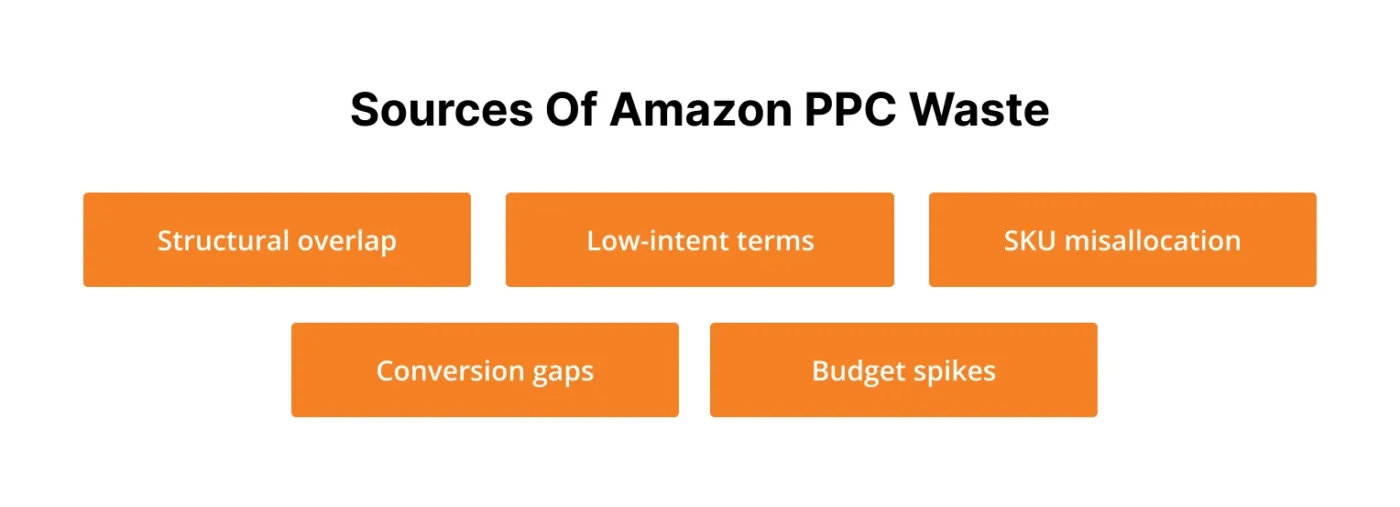
Ad costs on Amazon often rise when waste hides behind normal-looking results. Spend creeps up, efficiency drops, and nothing seems wrong at first. Many Amazon PPC teams react by changing bids or cutting budgets, but that usually makes results swing more instead of fixing the real issue.A proper Amazon PPC audit brings clarity before any changes are made. It shows where money is really going, what’s working, and what needs to be fixed first so your Amazon PPC ads can get back under control.
Structural Overlap Between Campaign Types
One common source of waste is overlap between Auto, Broad, and Phrase campaigns. The same searches trigger ads in multiple places, which splits learning and weakens results. When similar terms keep firing across campaigns with mixed outcomes, Amazon PPC ads end up competing with each other instead of working together.
Low-Intent Search Terms Absorbing Budget
Another major issue is low-intent traffic. These searches get clicks but rarely turn into sales. You see spending rising with little return, because money goes to visibility without buyer intent. This hurts Amazon ad performance and limits profit.
SKU Budget Misallocation
The budget often drifts to the wrong products. Support SKUs take spend that should protect Hero or Gateway ASINs. Over time, low-impact products keep spending while top sellers lose visibility. This weakens planning and stock flow, even with active Amazon PPC advertising.
Amazon Advertising Compensating for Weak Conversion
Sponsored Ads on Amazon are often pushed harder to cover listing issues like weak images, pricing gaps, or low reviews. Amazon CPC rises while conversion stays flat, forcing higher spend just to hold results. That makes the overall campaign less efficient and harder to scale.
Uncontrolled Budget Days
Some days see sudden spend spikes without more sales, often during busy traffic periods. Costs jump without warning, which hurts profit and makes growth risky for any Amazon PPC agency trying to keep results stable.
Turning Waste Into Control
When these patterns appear, optimization becomes focused instead of reactive. You know where money is being wasted and which signals are getting affected. That clarity helps Amazon PPC teams fix the real problems first and improve performance before touching bids or budgets.
The Optimization Order That Keeps Costs Under Control
Random changes are one of the fastest ways Amazon PPC becomes unstable. Teams see spend rise and react by cutting bids, pausing ads, or changing placements without a plan. That may help for a moment, but it often leads to bigger swings later. Real cost control comes from fixing problems in the right order.
Fix Conversion Issues
Conversion comes first. If a listing doesn’t turn clicks into sales, ads have to buy more traffic to hit the same numbers. That’s when Amazon PPC ads start getting more expensive. Optimize product listing starting from improving images, pricing, and reviews first, or every other change will cost more and do less.
Fix Campaign Structure
Once conversion is steady, fix how campaigns are built. Each campaign should have a clear role, without fighting for the same searches. Clean structure helps Amazon PPC advertising send clear signals and learn faster, which is key for steady growth.
Clean Search Terms
After the campaign structure is solid, clean up search terms. Remove low-intent queries and separate the ones that drive sales. This is where waste drops without hurting rankings, and Amazon ad performance starts to improve in a controlled way
Adjust Bids
Only adjust bids after waste is reduced. Cutting too early makes results unstable because the system is still messy. At this stage, bid changes help stabilize Amazon PPC instead of disrupting it.
Adjust Placements
Amazon Sponsored ads placements fine-tune performance, they don’t fix broken setups. Adjusting them before CVR and structure are fixed often raises CPC. When used last, placements support optimization without inflating cost.
The Campaign Structure That Keeps Amazon PPC Costs Predictable
Amazon Sponsored Ad campaign structure is where cost control actually begins. When structure is unclear, Amazon receives mixed signals and optimization becomes chaotic. Advertising spend on Amazon rises not because bids are aggressive, but because intent is fragmented. Clean layout lowers cost automatically by restoring precision before any bid or budget changes occur.
Discovery Campaigns (Auto and Broad)
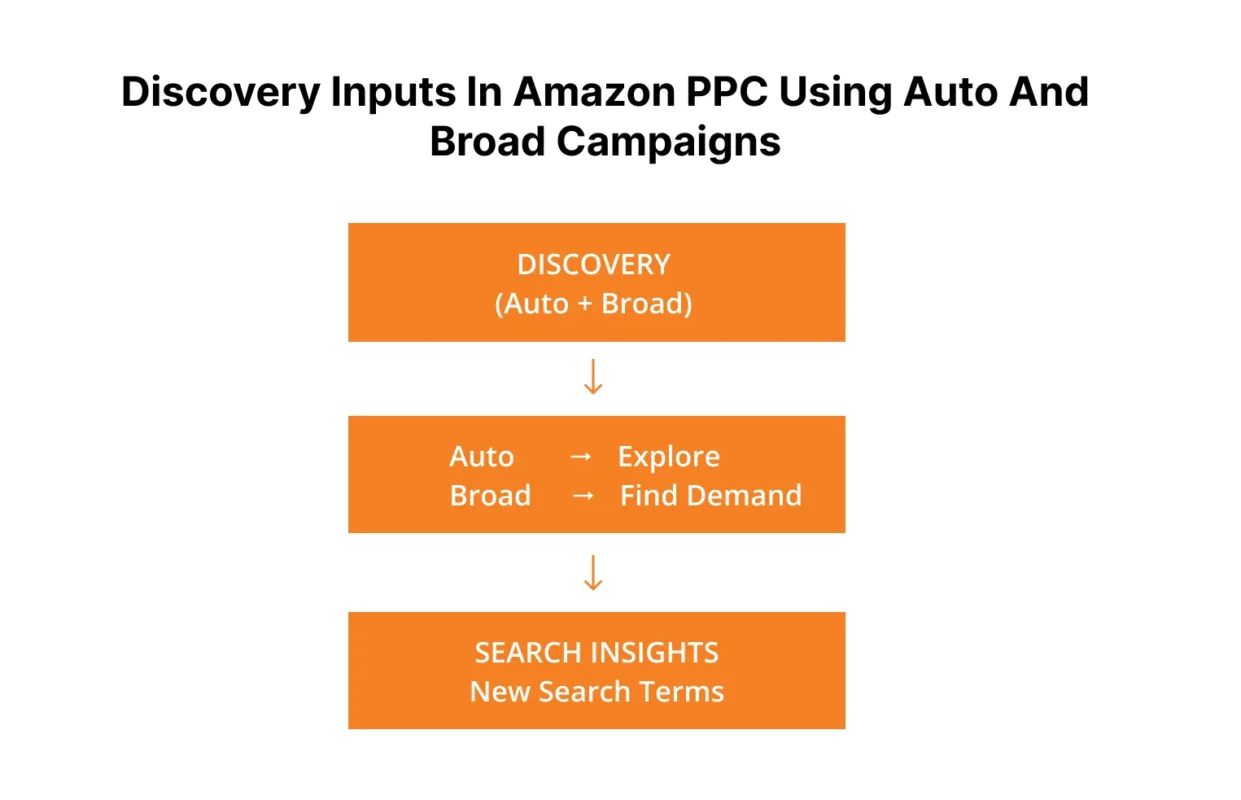
Auto and Broad campaigns are meant to explore how shoppers search and uncover new demand with controlled visibility. They often spend more and convert less, which is normal at this stage. Their job is to feed insight into your Amazon PPC setup, not to take over your budget.
Control Campaigns (Phrase)
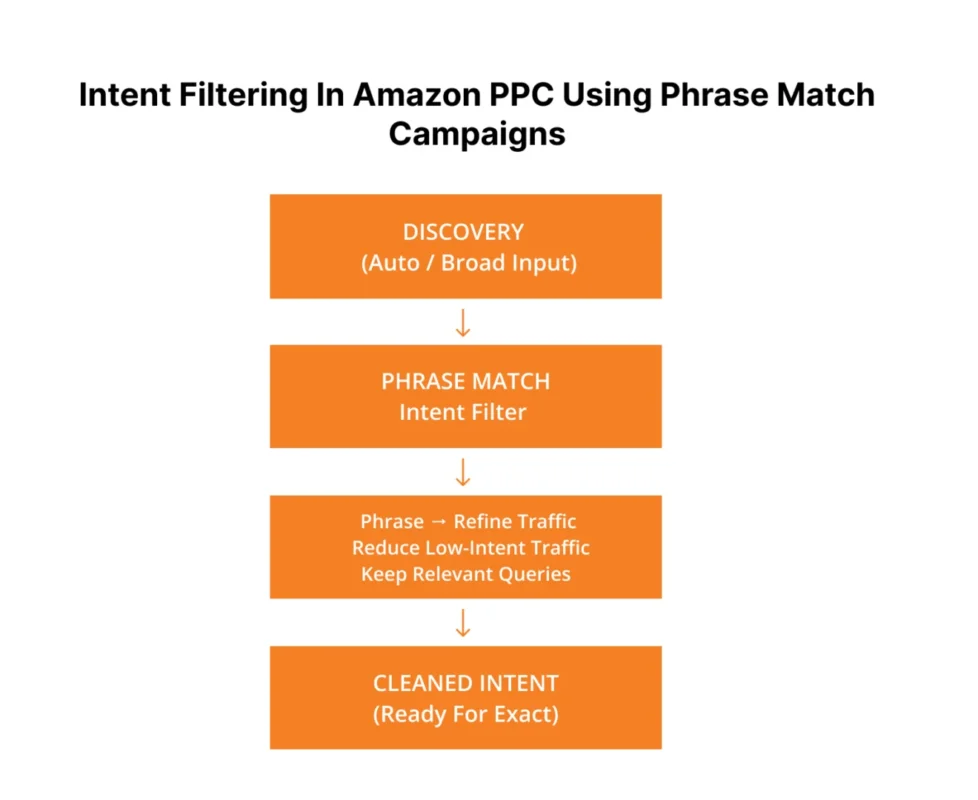
Phrase campaigns filter traffic before profit. These sit between discovery and profit. They narrow traffic while still keeping reach, so intent becomes clearer. This is where results start to steady, because searches are already more focused. By trimming unclear terms, they cut waste and improve control in your Amazon PPC advertising system.
Profit Campaigns (Exact)
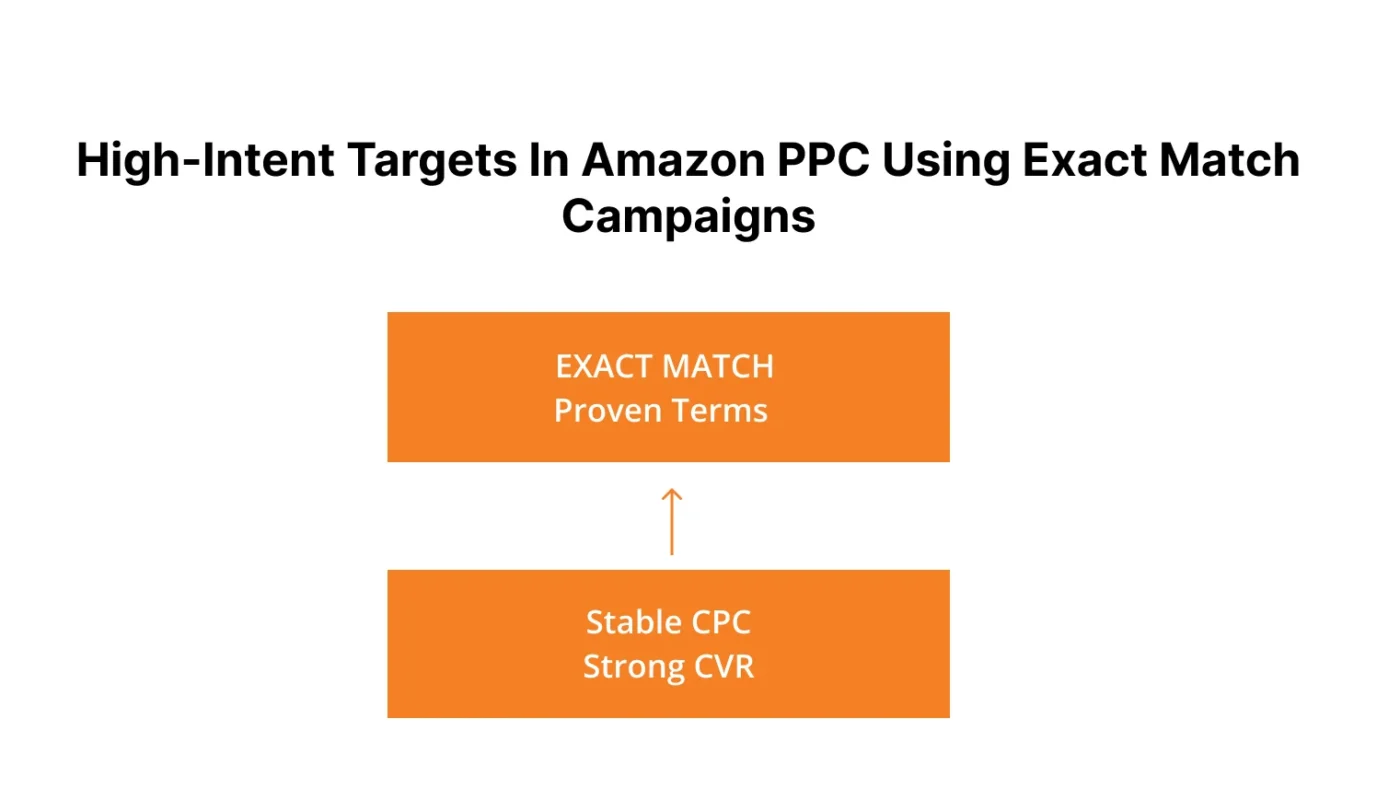
Exact campaigns focus on search terms that already prove they convert. These are the keywords with a clear sales history, so results are more stable and easier to predict. Costs stay steadier, conversions stay strong, and profit is more reliable. By concentrating spend where intent is clear, Amazon PPC ads protect both ranking and margin.
Budget Allocation That Protects Performance While Cutting Waste
Budget control makes many brands uneasy. Cutting spend feels risky, but leaving budgets wide open often leads to waste. The goal isn’t to spend less. It’s to spend smarter so visibility stays strong while efficiency and planning improve. This is key to keeping Amazon PPC costs under control.
Budget by SKU Role
Every SKU should earn its budget based on its role, not its presence in the catalog.
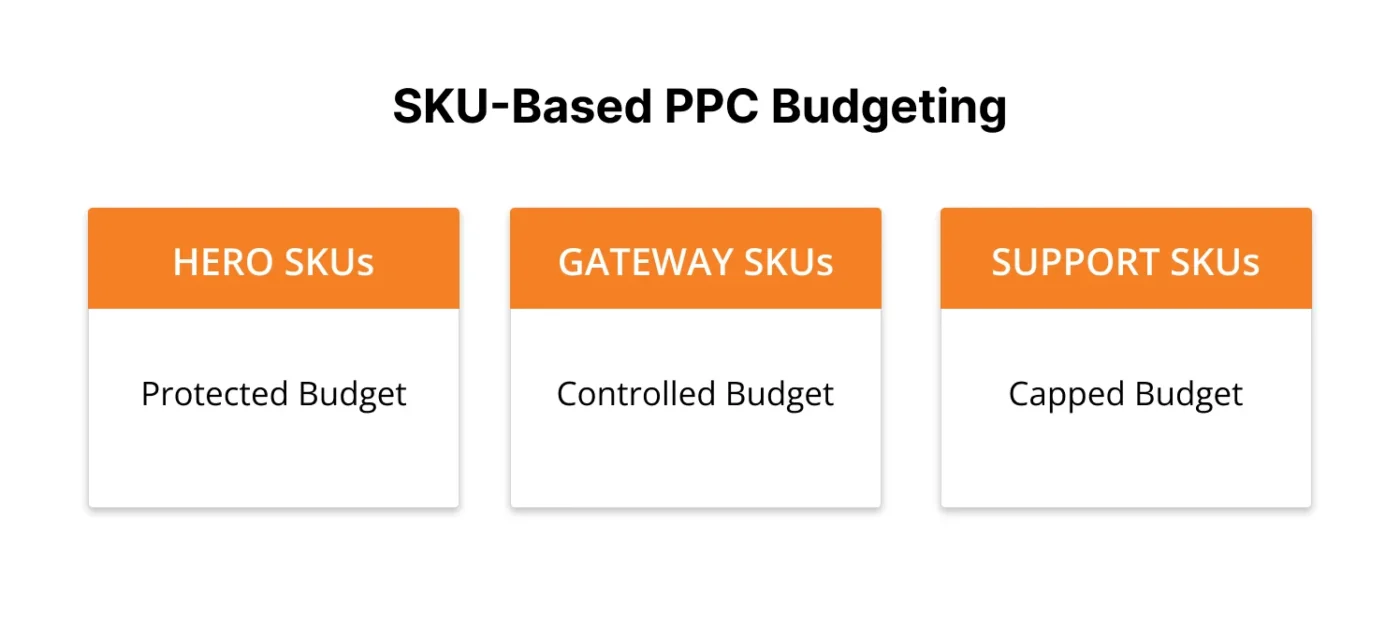
Hero SKUs drive most of your sales and profit, so their budgets must be protected. Cutting them back hurts visibility and weakens performance signals across your Amazon PPC setup.
Gateway SKUs help you reach new shoppers and grow demand. Their budgets should allow testing and NTB growth, but with limits that protect efficiency. When managed well, Amazon PPC advertising expands reach without hurting your core results.
Support SKUs should help, not lead. If they take too much spend, efficiency drops and stock planning becomes harder. Capped budgets stop quiet waste and keep Amazon PPC ads focused on what drives results.
Daily Budget Controls
Uncapped budgets inflate cost because they allow Amazon to spend aggressively during risky traffic periods. This often results in spend spikes without proportional sales lift. Daily caps act as safety rails. They steady costs, improve planning, and protect Amazon ad performance when traffic gets unpredictable.
When to Increase Budgets
Budgets should only be raised when performance supports scalability. Three triggers to consider:
- Conversion rate remains stable
- Search term profitability is confirmed
- Inventory depth supports sustained visibility
When these conditions align, budget increases improve efficiency instead of inflating cost.
Smart budget allocation replaces blind cuts with controlled reallocation. Spend moves toward precision, optimization becomes calmer, and performance stays protected while waste is removed.
The Fastest Way to Reduce Waste With Search Term Control
Search term control delivers the quickest path to meaningful cost reduction because it removes waste at the source. Most losses come from queries with no buying intent. When search terms are managed with precision, efficiency rises, CPC stabilizes, and budget flows toward the customers most likely to convert. This shift creates clarity, not constraint, and gives your pack immediate control over spend.
Mine Discovery Campaigns for Actionable Insight
Discovery campaigns are built to reveal shopper behavior. Auto and Broad campaigns surface patterns that keyword targeting cannot predict. In reports, you will see a wide mix of relevant and irrelevant queries. This noise is valuable because it exposes intent strength and identifies where visibility is being purchased without commercial value. Mining these campaigns consistently creates the data foundation for cost-efficient optimization.
Extract Profitable Terms With Intent
Profitable terms demonstrate repeatable performance, not luck. Look for search terms that convert at a stable rate and maintain healthy Amazon CPC relative to margin. These terms deserve extraction because they contribute to profitability and signal clear demand. Adding them into structured campaigns strengthens optimization and improves forecasting accuracy.
Negate Low-Intent Spend
Low-intent queries create the most waste. These terms show repeated spend with little or no conversion, often masking their impact across multiple campaigns. Negating them early protects efficiency and keeps Amazon PPC ads from inflating costs. This protects efficiency by removing non-converting traffic before it inflates CPC across the account.
Isolate High-Performing Terms Into Exact Campaigns
Not all converting terms belong in discovery or mixed-intent campaigns. High-quality terms should be isolated into Exact matches where intent can be controlled with precision. Isolation improves optimization stability and ensures proven terms receive budget without noise from broader queries. This approach strengthens visibility and supports long-term profitability.
Rules That Maintain Control
Effective search term control follows clear discipline.
- Negate when spend repeats without sales.
- Isolate when intent and performance are proven over time
- Act only after spending reaches a level that matters to your margin.
This framework gives you a repeatable system that reduces waste, sharpens optimization, and strengthens visibility where it matters most.
Bid & Placement Rules That Reduce Cost Without Risk
Bid changes shape how stable your account feels. When teams react too fast, performance becomes jumpy, CPC rises, and visibility weakens. Cost-effective bidding works best when decisions are steady, measured, and based on real trends instead of daily noise.
Bid Control
Bids should be adjusted in small steps so Amazon can read performance without disruption. Large cuts drop visibility too quickly and force the system to relearn, which usually raises cost later. Decisions should come from multi-day performance windows, not single-day swings, because daily data is often misleading.
ACOS should not drive bidding on its own since it ignores margin and conversion strength. Better decisions come from watching CPC, CVR, and overall profit together. This is also where it makes sense to increase bids on high performing keywords Amazon when results stay strong over time, instead of cutting across the board.
Placement Control
Sponsored Ad Placements change cost behavior quickly. Top of Search can work well, but only when conversion is strong enough to justify the higher CPC. If CVR is unstable, this placement drives spend up without improving efficiency. Product Pages often deliver steadier results because competition is lower, making them a safer option when budgets need tighter control.
This approach removes emotional changes and keeps performance predictable. CPC settles, spend stays steady, and overall Amazon PPC optimization becomes easier to manage.
Measuring Cost-Effectiveness the Right Way
Cost-effective Amazon PPC depends on tracking the right signals. Many teams rely on surface numbers and make decisions that look efficient but hurt long-term performance. Real cost control comes from watching stability, profit, and intent instead of chasing short-term wins.
What Not to Optimize Toward
Some signals look useful at first but push teams in the wrong direction. These numbers create false confidence because they show surface efficiency while hiding deeper damage. Knowing these traps keeps decisions grounded in real performance.
- Avoid making decisions based on ACOS alone, because ACOS can look good while ranking and total sales decline.
- Avoid reacting to daily fluctuations, since short-term data often reflects noise rather than meaningful trends.
- Avoid pushing for short-term efficiency that cuts visibility for key SKUs and damages ranking stability.
When the right metrics guide decisions, cost-effective performance becomes clear. Spend stays steady, conversion stays strong, and growth becomes predictable without losing control.
Conclusion
Cost-effective Amazon PPC comes from structure, not guesswork. This blog outlined how to stabilize performance by fixing conversion first, cleaning campaign architecture, controlling search terms, allocating budgets by SKU role, and measuring success with metrics that reflect real profitability. When these steps work together, waste drops and spend becomes predictable.
Your next move is to run a simple waste audit, refine structure, and clean the search terms driving cost. If you want expert help applying this system, AMZDUDES is here for you. Our expert Amazon PPC services will run a free Amazon PPC audit, build a custom brand strategy for you and execute in a most seamless and effective way that guarantees maximum ROI on your ad budget.
Book a strategy call with us today.