Key Takeaways
- Generative AI in PPC helps your ads reach the right shoppers. It reads creatives, product data, and buyer behavior so your Amazon PPC management delivers better matching and less wasted spend.
- Better creatives drive more clicks and lower costs. With generative AI in PPC, you produce intent-matched ads faster, improving CTR and stabilizing CPC in competitive searches.
- Amazon PPC AI uncovers high-intent buyers you might miss. AI-driven targeting spots patterns and trends so your campaigns scale beyond basic keyword research.
- Clean product data makes Amazon PPC more efficient. Stronger titles and attributes improve relevance, reduce wasted clicks, and help your Amazon PPC management services perform better.
- Smart AI bidding keeps spending under control. Amazon PPC AI tools adjust bids and budgets in real time, giving steadier results than static rules.
The advertising ecosystem has seen a major shift in operations as the use of AI in Amazon PPC begins shaping how ads are interpreted, ranked, and matched to intent. We see it daily in active accounts. Creative quality influences impression eligibility more than before, and campaigns respond faster when assets refresh more often. Amazon has also confirmed that its systems now evaluate richer visual and contextual signals, which affects both visibility and Amazon PPC management cost efficiency.
These changes matter because the old manual pace cannot match the volume of decisions Amazon’s AI now processes. Generative AI in Amazon PPC strengthens the signals behind your campaigns and supports cleaner optimization paths. When brands understand this shift, they make more precise decisions that protect profitability and improve scalability in a crowded marketplace
In this blog, you will see how generative AI affects every major Amazon PPC lever, from creative to bidding to measurement.
How Generative AI Improves Your Ad Creatives
Your ad images now play a big role in how well your ads show on Amazon. Generative AI helps you create clearer, more consistent visuals so Amazon understands your product faster. This gives your ads a better chance to win placements where relevance matters most.
Clear Images Help Amazon Rank Your Ads
Amazon looks at your images to understand what you sell and who it is for. Generative AI creates visuals that show features, use cases, and details more clearly. This helps Amazon classify your product correctly and show your ads in better spots, earlier in the auction.
More Ad Versions That Match How People Search
Shoppers search in different ways. Some want features. Some want lifestyle ideas. Some want comparisons. Generative AI creates image variations for each type of search so your ads match what shoppers are looking for. This helps Amazon test faster and send more spend to the creatives that attract buyers.
Better Creatives Lead to Better Results
When the right shopper sees the right image, performance improves. CTR goes up because your ad feels more relevant. CPC stays steadier because Amazon rewards ads that match intent. Conversions improve because traffic fits your product better. These gains come from better signals, not just better design.
Personalized Creatives at Scale
Generative AI makes it easy to create many versions of your ads. Instead of relying on one main image, you can show different visuals for different needs and stages of buying. This improves engagement and gives Amazon stronger data to optimize your campaigns.
Images That Match Search Intent
AI studies how people search and creates visuals that highlight what matters most. That could be a feature, a use case, or a problem your product solves. When images match intent, your ads reach serious buyers sooner.
Creatives Built for Different Shoppers
Different shoppers care about different things. Parents look for safety. Professionals look for function. Hobby buyers look for detail. AI can create versions that speak to each group, helping you test what converts best without manual design work.
Fresh Ads That Prevent Fatigue
Seeing the same image again and again makes shoppers ignore it. Generative AI keeps adding new visuals so your ads stay fresh. This helps maintain CTR over time and gives Amazon new data to keep improving performance.
Messaging Designed for Each Stage of the Funnel
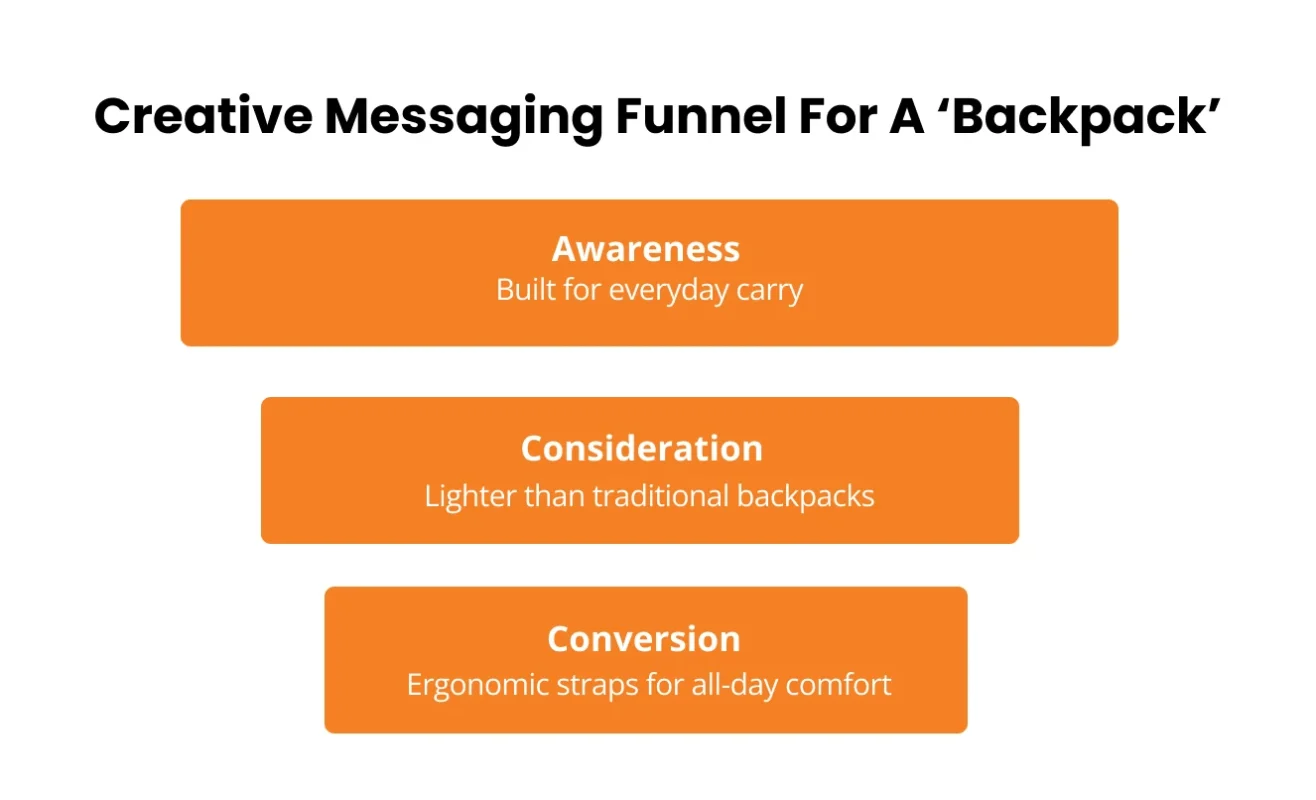
Upper-funnel audiences need context. Mid-funnel shoppers need comparison. Lower-funnel shoppers need clarity and reassurance. Generative AI produces funnel-specific variants automatically including lifestyle scenes for awareness, feature explanations for consideration, and benefit-focused close-ups for conversion. This ensures that every touchpoint matches the shopper’s moment in the journey.
How AI in Amazon PPC Finds Better Keywords and New Buyers
AI helps brands discover searches and buyers that traditional keyword research often misses. By reading patterns across queries, product data, and shopper behavior, it reveals new opportunities that improve visibility and keep ad spend efficient across keywords, products, and audiences.
Semantic Clustering That Clarifies Intent
Different searches can look unrelated but reflect the same buying intent. Semantic clustering groups terms by meaning, not just wording. This allows Amazon PPC campaigns to target broader intent themes with more precision, widening reach without losing relevance.
Predictive Trends That Reveal Emerging Demand
Search behavior shifts quickly across categories. AI tracks these changes and highlights terms gaining momentum before they become competitive. This helps brands position campaigns earlier and capture most relevant traffic while demand is still forming.
Targeting Audience Based on Interests and Behaviors
Not every shopper fits neatly into keyword-driven targeting. AI identifies interest and behavior patterns to connect products with audiences who may not search directly but still show strong alignment. This opens new paths to scalable, high-quality reach.
Signals That Expand High-Value Audiences
Clicks, time on page, and repeat visits show the potential buyers truly interested in the product. AI uses these signals to find similar shoppers with the same buying intent. Expanding into these lookalike groups supports growth without spreading spend across low-interest traffic.
Discovery of New Long-Tail Opportunities
Long-tail queries often convert better due to higher specificity. AI surfaces these phrases faster by analyzing deeper contextual signals instead of waiting for historical data. This strengthens campaigns with traffic that carries clearer intent and more predictable conversion patterns.
AI-Generated Product Metadata and Amazon PPC Relevance Mapping
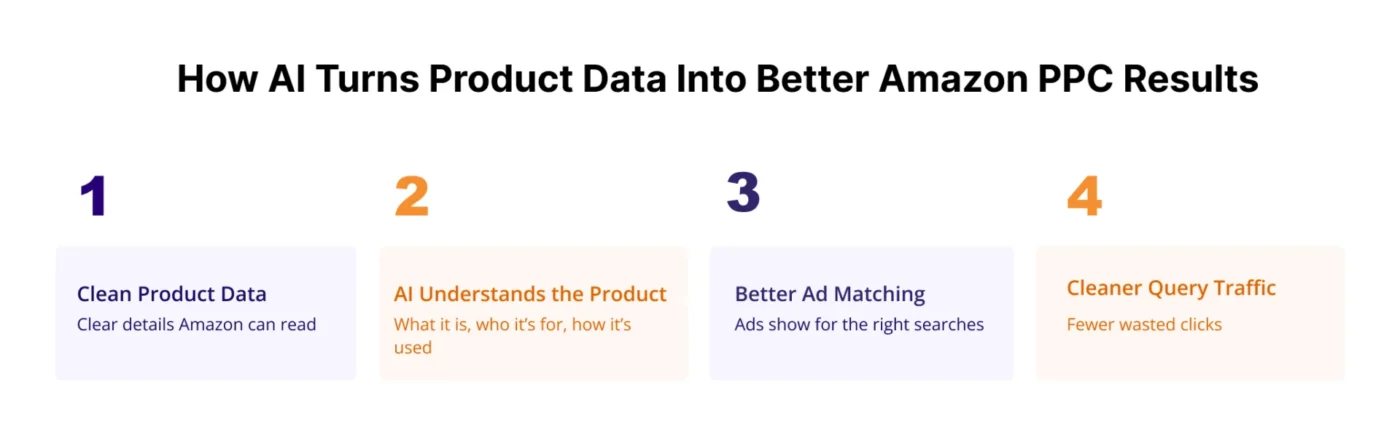
Product data now plays a bigger role in sponsored ads placement. Amazon advertising PPC AI reviews attributes, features, and context to understand what a product is and which searches it should match. When this data is clear, Amazon PPC AI helps ads show for more relevant searches and reduces wasted spend from the start.
Better Product Data Improves Auto-Targeting
Sponsored Products auto-targeting depends on accurate product details. When Amazon PPC AI software identifies features correctly, campaigns match with searches that show stronger buying intent. In the accounts we manage through our Amazon PPC management services, listings with clean product data see steadier CPC during peak competition because ads avoid mismatched impressions.
How AI Reads Product Details
Amazon PPC AI pulls product information from titles, bullet points, images, and enhanced content. This helps define what the product is, how it is used, and who it is for. When extraction is clear, Amazon understands the product better, which supports stronger visibility in competitive ads placements.
Categorization and Relevancy Scoring
Amazon’s AI assigns relevance scores based on how well a product fits its category and shopper behavior. Even small improvements in details like size, material, or use case can lift these scores. Amazon PPC management experts often see impression quality rise and irrelevant clicks fall when metadata is refined using the right Amazon PPC optimization practice.
Impact on Match Types and Query Interpretation
Broad and phrase match performance now depends on how accurately Amazon understands the product. If the system misreads the core attributes, campaigns attract traffic that does not convert. Accurate metadata gives AI a stronger foundation for interpreting related searches, which leads to cleaner query matching and more predictable spend efficiency.
Structured Data as an Amazon PPC Performance Driver
Optimized Amazon listings with structured data consistently show stronger relevancy signals and more stable optimization cycles. This pattern appears across categories we manage. When product metadata improves, SP auto-targeting sharpens, CPC stabilizes, and impression quality increases without aggressive bid changes. Metadata clarity becomes a performance lever, not just a listing requirement.
Intelligent Bidding and Budget Control With AI
AI-driven bidding introduces a level of responsiveness that manual workflows cannot match. Campaigns adjust to shifting demand, competitive pressure, and conversion potential in real time, which supports steadier performance and reduces unnecessary spend.
Real-Time Bid Changes That Protect Efficiency
Bids move based on live performance data instead of fixed rules. In fast-moving categories, we see more stable CPC when Amazon PPC AI controls bids in real time. When traffic quality rises or drops, the system reacts instantly so spending stays aligned with efficiency.
Predictive Bidding Models
Patterns from previous cycles help anticipate periods of strong or weak intent. These forecasts guide bid adjustments before inefficiency develops, improving control over cost movements.

Automated Dayparting
Performance fluctuates throughout the day. Automated dayparting adjusts bids to the hours that consistently produce stronger engagement, rather than relying on static schedules. This approach captures profitable windows that manual timing often overlooks and helps maintain efficiency as shopper behavior shifts throughout the day.
Budget Allocation Based on Performance Signals
Budgets shift toward targets that demonstrate stronger engagement and away from segments that weaken efficiency. In multi-ASIN setups, this helps spend naturally focus on queries that convert best. Allocation follows live performance patterns rather than fixed distribution, which reduces ad spend and strengthens overall return.
Reduced Waste From Duplicate Spend
AI identifies overlapping or redundant targets competing for the same impressions. Eliminating duplication strengthens efficiency and improves how campaigns scale across multiple ad groups and match types. We regularly observe spend reductions when overlapping broad and auto targets are corrected.
Faster Testing Cycles and Automated Experiments
Testing is no longer limited by how quickly creative teams can produce assets or how often Amazon PPC managers can schedule experiments. AI supports continuous experimentation by generating variations at scale and evaluating performance patterns faster than manual workflows allow.
Multivariate Testing at Scale
Multiple visual and messaging variations can be tested simultaneously. This helps campaigns identify which combinations resonate with specific audiences or intent patterns without waiting through extended cycles.
Rapid Variant Generation for Experimentation
AI produces controlled sets of variations that highlight different angles, features, or benefits. This gives campaigns more inputs to test, allowing the system to collect cleaner performance signals in less time.
Automated Rollouts Based on Results
When certain variants outperform others, automated rules promote them into higher-spend segments. Underperforming variations are phased out without manual intervention, which keeps campaigns aligned with real-time performance.
Shorter Learning Cycles for Faster Optimization
By accelerating how quickly tests run, campaigns reach stable performance more efficiently. Faster feedback loops support better decision-making and reduce the lag that typically slows optimization.
Full-Funnel Amazon PPC Planning Enhanced by Generative AI
Full-funnel Amazon PPC planning works better when generative AI can see where shoppers are in their buying journey. This creates a smoother path from first click to purchase and removes gaps between stages. Brands using the best Amazon PPC AI strategies connect these signals in one system instead of running separate campaigns that previously required separate strategies.
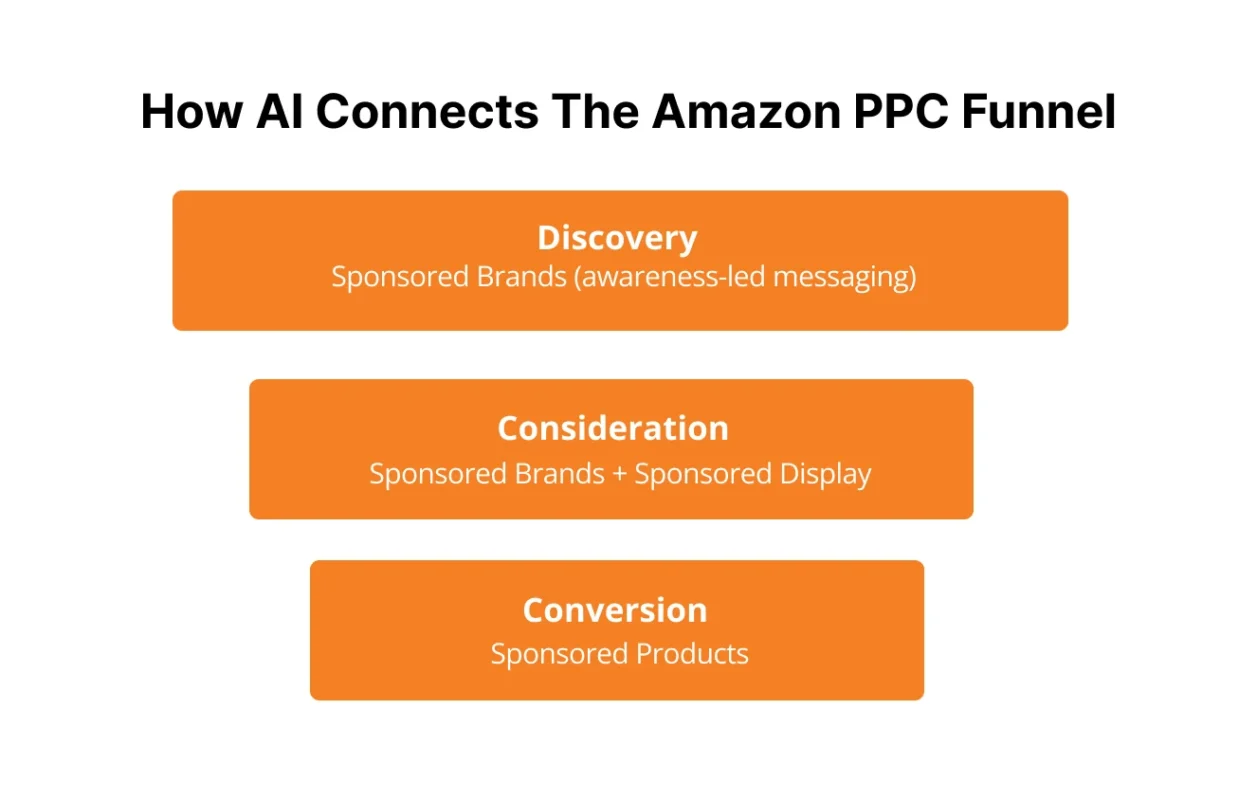
Identifying Funnel Stage Intent
Behavioral and contextual signals reveal whether a shopper is exploring options, comparing alternatives, or ready to buy. AI evaluates these indicators and helps position ads where they support the next logical step in the journey.
Connecting DSP, Sponsored Brands, and Sponsored Products
Each ad type plays a different role in the funnel. AI reveals how these placements work together, guiding a more cohesive structure that moves shoppers from awareness to conversion without unnecessary overlap or spend fragmentation.
Creative Variants Designed for Each Stage
Upper-funnel audiences respond to clarity and context. Mid-funnel shoppers need reinforcement and comparison. Lower-funnel traffic reacts to detail and urgency. Producing variations for each moment ensures that creativity supports progression instead of repetition.
Predictive Media Planning
AI predicts when different audiences are more likely to click or buy. These insights help brands move budget toward funnel stages where intent is rising, improving efficiency across Amazon PPC campaigns and reducing spend on stages that are not ready to convert.
Guided Placement Mix for Better Efficiency
Placement performance shifts based on category, timing, and audience behavior. AI evaluates these patterns and guides how much weight to place on top-of-search, mid-page, product detail pages, or remarketing surfaces. This supports more predictable results across all funnel layers.
Clear Tracking With AI and AMC
Tracking becomes more precise when AI interprets the signals that flow through Amazon Marketing Cloud. Instead of relying on last-click outcomes, brands access data of how shoppers move through the funnel and which touchpoints contribute to conversion. This creates a more reliable foundation for strategic decision-making.
Spotting Ads That Actually Grow Sales
AMC shows which campaigns bring in new buyers and which ones only get credit for sales that would have happened anyway. AI studies these patterns to reveal whether ad spend is truly growing the business or just shifting sales between Amazon ad types. This helps protect the budget from tactics that look strong in reports but do not drive real growth.
Full-Funnel Reporting With AI Interpretation
Shoppers rarely convert from a single interaction. AI analyzes the sequence of ad exposures and site behaviors to determine how each touchpoint contributes to the overall journey. This report and insight supports more accurate planning across awareness, consideration, and conversion layers.
Tracking New-to-Brand Traffic With Higher Precision
Understanding which sponsored ad campaigns bring in new customers is essential for forecasting long-term profitability. AI enhances NTB tracking by recognizing signals that manual monitoring overlooked, giving brands a clearer view of which strategies expand their customer base.
Understanding How Other Channels Affect Amazon Sales
Traffic from social ads, search, and outside promotions can change how shoppers buy on Amazon. AI understands how these external clicks influence the path to purchase inside Amazon. This helps brands see which channels truly support Amazon sales and decide where to spend more or less across all acquisition efforts.
Closing Visibility Gaps Inside AMC
AMC provides raw, privacy-safe data. AI transforms that data into clearer insights by filling gaps between fragmented signals. Patterns that once required manual interpretation become easier to act on, improving both strategic alignment and daily optimization decisions.
How AI Reshapes the Role of Amazon PPC Managers
The responsibilities of an Amazon PPC agency shift as AI takes over repetitive analysis and mechanical adjustments. The focus moves from manual execution to strategic oversight, signal interpretation, and long-term planning. This transition strengthens the value of human decision-making rather than replacing it.
Less Time Spent on Mechanical Tasks
Bid changes, keyword expansion, placement adjustments, and daily pacing become increasingly automated. Amazon PPC managers spend fewer hours maintaining stability and more time evaluating whether the system’s decisions align with broader business goals.
Focusing on Better Inputs for Better Results
AI only works as well as the data and direction it gets. A seasoned Amazon ads partner concentrates on clear creatives, strong product data, smart funnel setup, and clean campaign structure. Better inputs lead to more accurate outputs, and optimization becomes a strategic discipline rather than a maintenance task.
Turning AI Insights Into Smart Business Decisions
AI can spot patterns in the data, but it cannot judge what they mean for margins, inventory, or growth goals. A reliable Amazon PPC partner interprets these insights through a business lens. They decide which opportunities are worth investing in and which signals point to problems that need fixing.
Planning the Whole Funnel, Not Just the Clicks
With AI handling day-to-day optimizations, managers focus on full-funnel planning. They connect awareness, consideration, and conversion stages so campaigns work together. They also shift budgets as demand changes through the year, instead of reacting only at the keyword or ad level.
Decision-Making That Protects Profitability
AI reacts quickly, but it lacks context around cash flow, operational constraints, or product lifecycle. The Amazon PPC consultant onboard will provide that context, ensuring decisions support sustainable profitability rather than short-term gains.
Conclusion
Generative AI is changing how Amazon PPC works. Ads are created faster. Targeting gets sharper. Bids adjust in real time. Testing moves quicker. Results become easier to read. When your strategy is solid, these changes help improve visibility, cut waste, and grow profit over time.
The next step is to align your Amazon PPC structure with this new reality. At AMZDUDES, we help brands do that through full Amazon PPC services, including campaign setup, brand-specific strategies and ongoing optimization.
If your campaigns need a stronger foundation or a partner who understands how AI is shaping modern Amazon PPC, our team of the best Amazon PPC management experts is ready to help.
Book a consultation with AMZDUDES today and move forward with confidence.